House of Representatives: 68 MPs used AI for speeches
Research by De Groene Amsterdammer and Investico shows that 68 of the 150 Dutch MPs gave speeches largely written by chatbots.
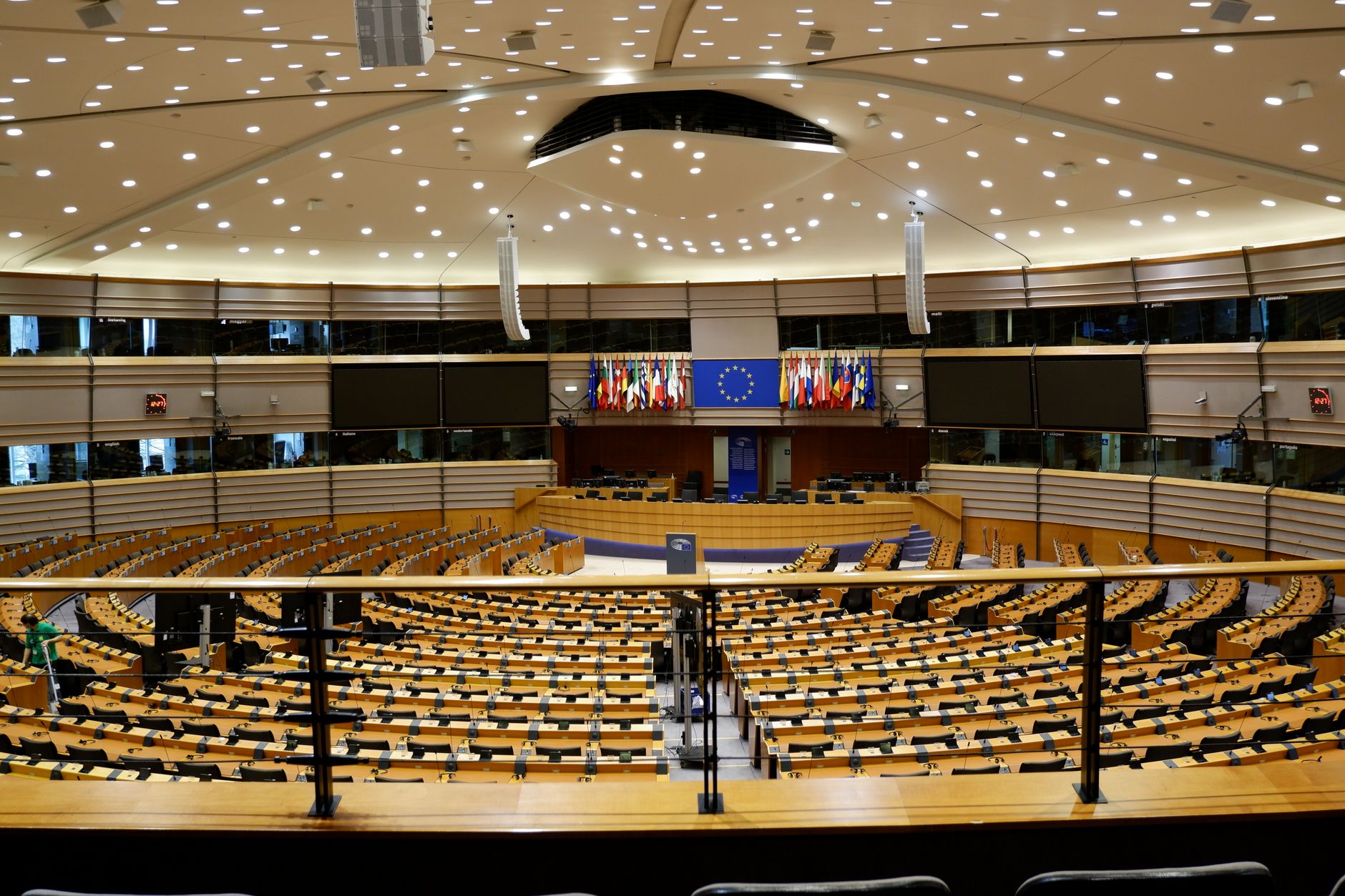
MPs AI speeches: according to research by De Groene Amsterdammer and Investico, 68 of the 150 members of the House of Representatives gave speeches over the past year that AI detection suggested were largely written by chatbots such as ChatGPT and Claude. NOS reported this on 21 October 2026.
What is new exactly?
De Groene Amsterdammer and Investico examined the debate contributions of all members of the House of Representatives. They looked for sentence patterns in speeches that often appear in chatbot text.
For this check, the researchers used the detection tool Pangram. That programme looks for patterns that chatbots such as ChatGPT and Claude often use.
According to the research, 68 of the 150 MPs gave speeches over the past year that were largely written by AI. Texts with less than 50 per cent AI were not counted. That means the real number is probably higher, according to the source.
MPs say they mainly use AI to shorten texts and save work. So it is not just about creating new text, but also about helping to edit existing text.
The news fits into a wider debate in The Hague. Earlier, de Volkskrant and Nieuwsuur also reported on AI use in political texts. This article only covers the research into members of the House of Representatives.
What does this mean for you?
For employees and entrepreneurs, this shows that AI is becoming more normal at work. If even MPs use AI to write and shorten texts, it is no longer a strange tool.
So the main question is not only whether you use AI. The real question is how you use AI. You can use AI for a first draft, a short summary or a clearer text. But you should always read, check and edit the text yourself.
That matters because AI can make mistakes. A text can also sound too generic. So make the text personal and make sure the content matches what you want to say.
If you work in a team, it is smart to make agreements. For example, agree when you will say that AI was used. That can matter in quotes, newsletters, speeches or texts for customers.
How reliable is AI detection?
AI detection can help spot patterns, but it is not hard proof. A programme like Pangram gives an estimate based on language patterns. So it cannot say with certainty who wrote a text.
That is why it is important to be careful with conclusions. The research only counts texts that were estimated to be at least 50 per cent AI-written. Texts below that threshold were not counted.
For your own work, this means: feel free to use AI to write faster or cut text more sharply, but stay responsible yourself. Check facts, adjust the tone and make sure the text suits you or your organisation.
Want to make good agreements about AI at work yourself? Then read more about drawing up an AI policy and how to prevent AI mistakes.
Was this article helpful?